What Is a Monetized Link? A Technical Guide to Converting Outbound Clicks into Revenue
What monetized links are, how they work, and why publishers use them to generate revenue from outbound clicks.
Introduction: The Untapped Value in Outbound Traffic
For most publishers and content creators, outbound links have traditionally served a single purpose: directing users to external resources. Whether citing sources, recommending products, or sending traffic to affiliate partners, these clicks represented value flowing away from your property. The assumption was simple: once a user left your site, the monetization opportunity ended.
This assumption is no longer accurate.
In modern digital publishing, outbound clicks can be managed as monetizable inventory. By introducing an intermediate routing layer between the click and the destination, publishers can generate advertising revenue from the click itself before the user reaches the intended resource. This mechanism is what we call a monetized link.
For affiliate marketers, content publishers, and creators with recurring traffic, understanding monetized links is essential. They represent one of the most accessible entry points into traffic monetization, allowing you to capture value from every outbound engagement, regardless of whether the destination itself offers commissions or revenue share.
This article explains what monetized links are, how they function technically, and when they make strategic sense for your traffic stack.
What Is a Monetized Link? A Clear Definition
A monetized link is a standard hyperlink that passes through an intermediate routing layer before reaching its final destination. During this brief intermediate step, which is typically invisible to the user or shown as a short loading screen, the system evaluates the click and may display an advertising impression before redirecting to the original URL.
The core value proposition is straightforward: transform a passive outbound click into an active revenue event.
Unlike traditional affiliate links that generate income only when a user completes a purchase, monetized links generate revenue from the click itself through CPM-based advertising. This means you earn money when users click, regardless of whether they convert on the destination page.
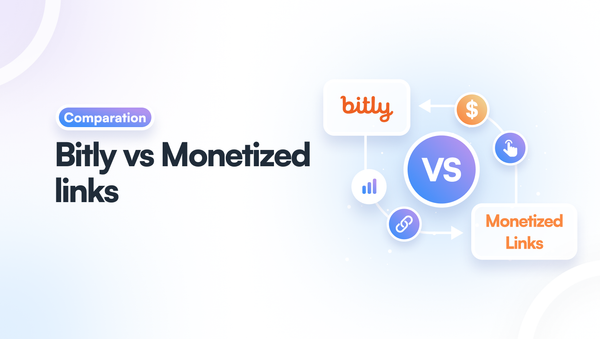
It's important to distinguish monetized links from standard link shorteners. While both may use URL redirection, a basic link shortener (like Bitly or TinyURL) simply forwards traffic. A monetized link platform introduces a monetization layer that:
- Evaluates the click for advertising demand
- Potentially displays an ad (interstitial or overlay)
- Routes the user based on traffic quality and demand signals
- Attributes and records the revenue event
How Monetized Links Work: The Technical Flow
Understanding the mechanics of monetized links helps clarify where value is created and what tradeoffs exist. The process follows a predictable sequence:
1. Link Generation
The publisher creates a monetized link through a platform (such as Hozip, AdFly, or similar tools). The original destination URL is wrapped with a tracking and routing layer, generating a new URL that points to the monetization platform's servers.
2. User Click
When a user clicks the monetized link, their browser sends a request to the platform's servers rather than directly to the destination. This request contains critical data points:
- User agent and device type
- Approximate geographic location (via IP)
- Referrer information
- Browser and language settings
3. Demand Evaluation
The platform evaluates the click against available advertising demand. This occurs in milliseconds and considers:
- Whether the user's geography has active campaigns
- Device compatibility with available ad formats
- Historical performance data
- Traffic quality signals
4. Monetization Layer
If demand exists and meets the platform's thresholds, the user sees one of several possible ad experiences before proceeding:
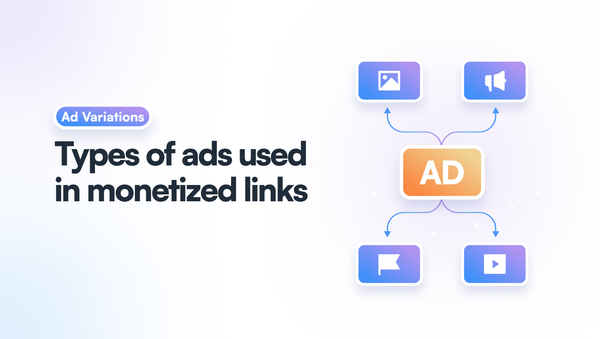
Common ad formats include:
- Interstitial pages: Full-page advertisements that appear briefly before redirecting
- Captcha or "verify human" gates: Require user interaction, often accompanied by a display ad
- Timer-based gates: Users wait several seconds with an ad visible
- Overlay ads: Ads that appear on the destination page after redirect (less common)
5. Redirection to Destination
After the monetization event completes, the user is finally redirected to the intended destination URL. The entire process typically adds 5-15 seconds to the user's journey.
6. Revenue Attribution
The platform records the event and credits the publisher's account based on the agreed CPM rate. Revenue is typically calculated as:
(Number of monetized clicks / 1000) × Effective CPM
When Does Link Monetization Make Strategic Sense?
Monetized links are not appropriate for every situation. Understanding where they fit in your monetization strategy requires honest assessment of your traffic and audience expectations.
Appropriate Use Cases
Content sites with high outbound link density
Publishers who regularly link to external sources, references, or partner sites can monetize these outbound clicks without changing their editorial approach.
Newsletter and email traffic
Email newsletters with multiple outbound links can wrap those URLs in monetized links, generating revenue from engaged subscribers clicking through to resources.
Social media audiences
Creators directing followers to external platforms (YouTube videos, articles, product pages) can monetize those transitions.
Download and resource gates
Sites offering files, tools, or resources can require a monetized link interaction before providing access.
Factors That Influence Monetized Link Revenue
Not all clicks generate equal revenue. Several variables determine what each thousand clicks will earn:
Traffic Geography
Advertising demand varies dramatically by region. Tier 1 countries (US, UK, Canada, Australia, Western Europe) command significantly higher CPMs than Tier 2 or Tier 3 regions. A click from the United States might earn 10-20× more than a click from Southeast Asia.
Traffic Source and Quality
Platforms evaluate traffic quality based on:
- Bounce rates after monetization
- Completion rates of monetization steps
- Fraud and bot detection signals
- Historical performance
High-quality traffic that consistently completes the monetization flow earns preferential routing and better demand.
Device Type
Desktop traffic typically monetizes at higher rates than mobile, though mobile inventory has grown substantially. Some formats work better on specific devices.
Time and Seasonality
Ad demand fluctuates with the advertising calendar. Q4 typically sees higher CPMs due to holiday spending, while January may see softer rates.
Platform Optimization
Advanced monetization platforms use intelligent routing to direct traffic to the highest-paying demand sources in real-time. This optimization directly impacts your effective CPM.
Link Monetization vs. Link Shortening: Critical Distinctions
New publishers often confuse monetized links with traditional link shorteners. The differences are fundamental:
| Aspect | Link Shortener | Monetized Link |
|---|---|---|
| Primary purpose | URL compression and analytics | Revenue generation |
| User experience | Immediate redirect | Delayed redirect with ad |
| Revenue model | None (usually free or subscription) | CPM advertising |
| Traffic data | Basic analytics | Detailed routing and optimization |
| Use case | Social media character limits | Traffic monetization |
Some platforms offer both services, but the underlying mechanism differs. A monetized link uses shortening as a technical necessity but adds the critical monetization layer.
Risks, Limitations, and Strategic Tradeoffs
Honest discussion of monetized links requires acknowledging their limitations and potential downsides.
User Experience Friction
The most significant tradeoff is added friction. Users expecting immediate access to content must wait through an ad experience. This can:
- Reduce repeat traffic
- Increase bounce rates on subsequent pages
- Damage brand perception with sensitive audiences
Attribution Challenges
If you use monetized links in affiliate marketing, the intermediate layer may break affiliate tracking cookies. Some platforms solve this with "cookie passthrough" technology, but it's not universal. Always test whether your affiliate commissions survive the monetization layer.
Traffic Quality Degradation
Low-quality or impatient users may abandon the click during the monetization step. While this filters out some low-value traffic, it also reduces your overall outbound traffic volume.
Practical Optimization Strategies
For publishers who decide link monetization fits their strategy, these approaches improve results:
Segment Your Links
Don't monetize every outbound link equally. Apply monetization strategically:
- High-value destination links (affiliate, partner) may justify friction
- Low-value outbound citations can be monetized aggressively
- Critical user flows should remain friction-free
Test Multiple Monetization Partners
Different monetization partners excel in different geographies and formats. Run split tests with 10-20% of traffic to compare effective CPM and user completion rates.
Monitor Completion Rates
Your monetization dashboard should show not just clicks but completed monetization events. Low completion rates indicate either poor user experience or mismatched audience expectations.
Layer with Affiliate Marketing
Advanced publishers use monetized links as a supplement to affiliate marketing, not a replacement. When cookie passthrough works, you earn both the click revenue and potential commission.
Strategic Recommendations
For publishers, affiliates, and creators evaluating link monetization, consider this framework:
Start conservatively. Implement monetized links on a subset of your outbound traffic, such as older content or lower value external references. Measure both revenue impact and user behavior metrics.
Know your audience's tolerance. Professional B2B audiences typically reject friction more than general consumer traffic. Test small and listen to feedback.
Treat it as part of a diversified monetization stack. Link monetization should complement, not replace, display advertising, affiliate marketing, and direct monetization.
Optimize for long-term yield, not short-term CPM. The platform that pays the highest CPM today may have poor fill rates tomorrow or may drive away your audience with aggressive formats. Sustainable yield matters more than peak rates.
Monitor attribution rigorously. If you use affiliate links, verify that your commissions remain intact. If you send traffic to your own properties, ensure the friction doesn't reduce engagement.
Conclusion: The Role of Monetized Links in Professional Traffic Monetization
Monetized links represent a legitimate mechanism for capturing value from outbound traffic, inventory that most publishers historically left on the table. By introducing an intermediate routing layer between the click and the destination, publishers can generate CPM revenue from user engagement that would otherwise flow away uncompensated.
However, like all monetization tools, they require strategic application. The friction they introduce must be justified by the revenue they generate and must align with audience expectations. Used thoughtfully, monetized links diversify publisher revenue and extract value from every user interaction. Used carelessly, they erode trust and drive audiences away.
For publishers building sustainable traffic businesses, understanding monetized links is essential. They should be seen not as a get rich quick mechanism, but as one component of a comprehensive monetization strategy.