Bitly vs Monetized Links: Why Shortening Traffic and Monetizing It Are Fundamentally Different
Bitly and monetized link platforms are often confused, but they solve different problems. This guide explains why link shorteners do not generate revenue and how monetized links create income from outbound clicks.
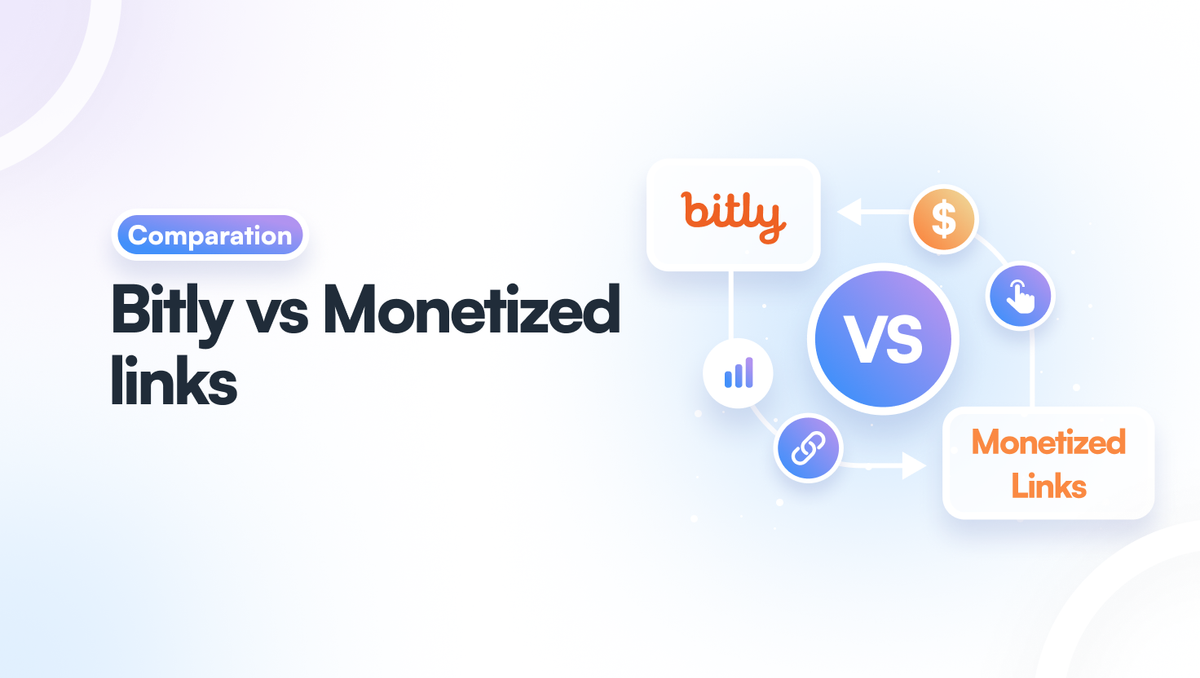
Publishers and affiliate marketers often begin their traffic journey with a simple question: can I make money from the links I share? This question leads many to investigate link shorteners like Bitly, assuming that a platform managing millions of clicks must offer some path to revenue. The assumption is understandable. Both tools accept a long URL and produce a shorter one. Both provide click data. But beneath this surface similarity lies a structural difference that determines whether your traffic becomes an asset or remains simply a metric.
Bitly is a link management platform. Monetized link platforms function as advertising systems that operate through redirect links. Confusing the two means leaving revenue on the table or worse damaging audience trust with unexpected friction. This article examines how each works technically, where the revenue actually comes from, and which model serves specific publishing goals.
What Bitly Actually Does
Bitly solves a problem of convenience and branding. Long URLs are visually unappealing, difficult to share in print or speech, and provide no context about where the link leads. Bitly compresses these strings into compact redirects while adding layers of control for marketers.
URL Shortening and Redirect Logic
When a user clicks a Bitly link, the platform performs a straightforward HTTP 301 or 302 redirect. The request hits Bitly servers, logs the click, and immediately sends the user to the destination URL. No intermediate content loads. No decision occurs between click and arrival. The transaction completes in milliseconds with minimal interference.
Link Tracking and Analytics
Bitly captures timestamp data, geographic location, referrer information, and device type. This data helps marketers understand which campaigns drive traffic and which audiences engage. The platform visualizes click patterns and integrates with tools like Google Analytics for deeper funnel analysis.
Branded Links and Campaign Management
Paid Bitly tiers allow custom domains transforming bit.ly/xyz into brand.co/xyz. This builds trust and recognition before the click happens. Campaign tagging and link organization help enterprises manage large scale outbound strategies.
What Bitly does not do is insert itself between the user and the destination in any economically meaningful way. It logs the visit and steps aside. Revenue never enters the transaction.
What Monetized Link Platforms Do
Monetized link platforms operate on a different premise. They treat the redirect as real estate. The space between click and destination becomes an opportunity to show advertising content before releasing the user to their intended page.
Redirect Layer With Advertising
When a user clicks a monetized link, the platform receives the request and makes a real time decision. It evaluates the user's geographic location, device type, and sometimes browsing context. It then selects an advertisement from a pool of demand sources. The user sees this ad for a few seconds before a redirect fires sending them to the final URL.
CPM Based Monetization
Revenue in this model derives from cost per thousand impressions. Advertisers pay for views of their creative content. The platform shares this revenue with the publisher who created the link. Higher traffic volumes and higher quality audiences increase earnings. Some platforms also offer cost per click models or cost per completed view structures depending on the ad format.
Traffic Routing and Demand Sources
Monetized platforms integrate with multiple ad networks and demand side platforms. They route traffic to the highest paying campaign available at the moment of click. This programmatic decision making optimizes revenue per visitor automatically. The publisher does not choose which ad appears. The platform selects based on fill rates and bid prices.
Technical Flow Comparison
The difference between these tools becomes visible when tracing what happens after a click.
Bitly Redirect Model
User clicks shortened link → Bitly server logs click → Server issues redirect instruction → Browser loads destination URL → Transaction ends. Total steps: four. Total content layers: one.
Monetized Link Ad Impression Model
User clicks shortened link → Platform logs click and evaluates user data → Platform requests ad from demand source → Ad content loads in browser or interstitial view → User views ad for predetermined duration or interacts with skip option → Platform issues redirect instruction → Browser loads destination URL → Transaction ends. Total steps: seven. Total content layers: two.
The monetized model introduces an additional decision node and content layer. This node is where revenue generation happens but also where user friction enters the experience.
Revenue Model Differences
Understanding revenue requires distinguishing between data about traffic and access to traffic.
Bitly Generates No Direct Revenue
Bitly sells software subscriptions and enterprise analytics packages. It does not pay publishers for clicks. A million clicks through Bitly produce zero dollars in direct revenue. The value lies in understanding those clicks not in monetizing them. Bitly customers pay for insights. They do not earn from distribution.
Monetized Links Generate Revenue Per Impression
Monetized platforms pay publishers based on ad impressions served. Each click represents a potential revenue event provided the user sees an advertisement. Earnings correlate with traffic volume, traffic source quality, and geographic composition. Tier one countries with high CPM rates produce more revenue than developing markets. Direct traffic converts differently than social media referrals.
Some platforms also offer secondary revenue models including cost per action or incentivized surveys. These increase earnings but introduce additional user friction.
User Experience Tradeoffs
The choice between management and monetization involves balancing control against revenue potential.
Direct Redirect vs Intermediate Ad Step
Bitly preserves the direct path from click to content. Users experience no interruption and no delay beyond standard redirect latency. This maintains trust and keeps bounce rates determined by destination quality not intermediate friction.
Monetized links introduce waiting. Users must consume or dismiss an advertisement before proceeding. This increases time to destination and may cause abandonment. Audience tolerance varies significantly by vertical, traffic source, and geographic region.
Speed, Friction, and Audience Tolerance
Social media traffic accustomed to fast loading expects immediate gratification. News readers may tolerate short ads. Professional audiences often abandon at the first sign of interstitial content. Understanding your audience's expectations determines whether monetization helps or harms long term traffic value.
Some platforms offer skip buttons after a few seconds or allow users to bypass ads by completing simple tasks. These options reduce abandonment but also reduce revenue per impression.
When to Use Bitly
Link management tools serve specific strategic functions that monetized platforms cannot replace.
Brand Consistency and Trust
Publishers sharing links across email newsletters, printed materials, or high trust environments benefit from clean branded links. A custom domain signals professionalism and reduces suspicion before the click.
Campaign Analytics Without Interference
Marketers running paid traffic need clean click data untainted by intermediate variables. Monetized links introduce drop off that distorts conversion rate calculations. Bitly provides accurate counts of intent to visit.
High Frequency Sharing With Repeat Visitors
Audiences that click multiple links from the same publisher will reject repeated ad interruptions. Bitly preserves the relationship by staying invisible.
When Monetized Links Make Sense
Monetized platforms become relevant when traffic volume exceeds the value of direct analytics alone.
Content With Low Direct Revenue Potential
Viral content, news aggregation, and entertainment links often generate traffic that converts poorly for the destination. Monetizing the redirect captures value from visitors who would otherwise contribute nothing.
Social Media and Viral Campaigns
Platforms like Twitter, TikTok, and Instagram deliver high volume but low intent traffic. Visitors click curiosity driven links then bounce quickly. Monetized links extract revenue from this attention before the bounce occurs.
Geographic and Niche Opportunities
Publishers with traffic from high CPM countries or specific interest verticals can optimize revenue by matching traffic to advertiser demand. Tech audiences, financial content viewers, and business professionals command premium rates.
Common Misconceptions
Several persistent misunderstandings lead publishers to expect revenue where none exists.
Shortening Does Not Equal Monetizing
Creating a short link changes the URL appearance only. It does not activate any revenue mechanism. Platforms must intentionally introduce an advertising layer to generate income. Shortening alone produces nothing.
Bitly Does Not Pay Publishers
Some users assume Bitly shares revenue because they see the platform selling enterprise plans. Bitly customers are publishers and brands not advertisers. The money flows from publisher to Bitly not the reverse.
All Interstitial Links Harm Experience
Monetization always adds friction but friction does not always destroy value. Context determines tolerance. A cooking blog audience may accept a five second ad to access a recipe. A business newsletter audience likely will not.
Strategic Recommendation for Publishers
Evaluate your traffic against three criteria before choosing a tool. First measure visitor intent. High intent traffic from email or direct sources deserves clean redirects that preserve conversion rates. Low intent traffic from social feeds or viral loops can tolerate monetization.
Second assess audience loyalty. Repeat visitors require different treatment than one time viewers. Brand safe environments benefit from Bitly. High volume disposable traffic benefits from monetization.
Third consider hybrid approaches. Some publishers use Bitly for primary content distribution and monetized links for secondary traffic or low value pages. Testing both models on segmented traffic reveals which audiences tolerate monetization and which abandon.
The right tool depends entirely on what you want from each visitor. If you need data and trust choose link management. If you need immediate revenue from attention choose monetization. Both serve legitimate functions. Confusing them serves neither.