Link Monetization in 2026: The Professional's Guide to Traffic Routing and Revenue Optimization
A practical guide to modern link monetization: learn how smart traffic routing, eCPM optimization, and conversion-aware strategies help publishers and affiliates maximize revenue in 2026.
For the past decade, the humble hyperlink has been treated as a passive asset, simply serving as a one way door from your content to someone else’s. Publishers spend months optimizing on-page inventory. Affiliates obsess over conversion rates. Yet the moment a user clicks an outbound link, most operators lose visibility, control, and monetization potential.
This gap represents one of the largest inefficiencies in the modern performance marketing stack. Link monetization, when executed professionally, addresses this blind spot by transforming the click event itself into a managed inventory opportunity. However, the space has earned a reputation for short-term tactics and user-hostile practices that erode trust and destroy long-term value.
This guide takes a different approach. We will examine link monetization as a technical optimization discipline that sits at the intersection of URL management, programmatic advertising, traffic routing, and attribution science. For the serious publisher, affiliate marketer, or creator with recurring traffic, understanding this layer is no longer optional. It is fundamental to maximizing the yield of every visitor who trusts you enough to click.
Table of Contents
- What Is Link Monetization
- How Link Monetization Works (Step by Step)
- The Economics of CPM and Traffic Quality
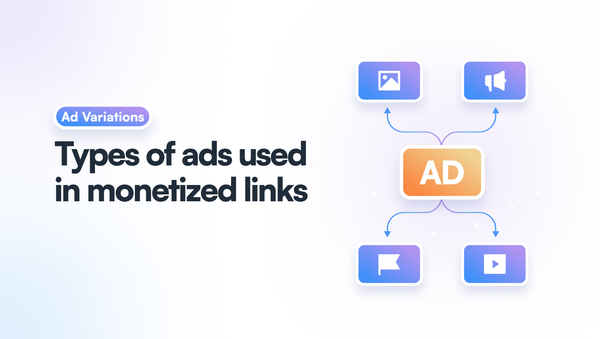
- Ad Formats Used in Monetized Links
- Traffic Optimization and Smart Routing
- Analytics That Actually Matter
- Common Mistakes That Reduce Revenue
- User Experience and Trust Considerations
- The Future of Link Monetization in 2026
- Conclusion and Actionable Framework
What Is Link Monetization

Link monetization is the practice of generating revenue from outbound clicks by inserting an intermediate step between the click and the destination. This step typically involves displaying an advertisement, capturing user data, or both, before redirecting the user to their intended target.
At its most basic level, this functions as a toll road between your content and the destination URL. The user still reaches their intended resource, but the path includes a brief, monetized interaction that generates revenue for the publisher who facilitated the click.
The idea sounds simple, but in practice modern link monetization is significantly more advanced. It now involves:
- Dynamic routing decisions based on user geography, device type, and traffic source.
- Real-time auction participation where advertisers bid for access to your click traffic.
- Multi-format ad serving ranging from interstitial displays to native overlays.
- Attribution preservation ensuring that affiliate parameters and tracking data survive the redirect chain.
- Traffic quality analysis that determines which clicks should be monetized and which should bypass the ad experience entirely.
The fundamental shift occurring in 2026 is the move from "monetize everything" to "monetize intelligently." Professional operators recognize that every monetized click carries a friction cost. The goal is not maximum monetization rate, but maximum net value after accounting for user experience impact, conversion friction, and long-term audience retention.
Link Monetization vs. Link Shortening: A Critical Distinction
It is essential to distinguish between link shortening and link monetization. Shortening services (like the ubiquitous bit.ly model) exist primarily for aesthetics, character conservation, and basic click counting. They provide a redirect and minimal analytics.
Link monetization platforms, by contrast, are routing engines. They evaluate each click as an opportunity and make split-second decisions about how to handle that user. The fact that they also shorten URLs is a convenience, not the core function. Treating a monetization platform as merely a "link shortener that pays you" is the first mistake many operators make.
How Link Monetization Works (Step by Step)
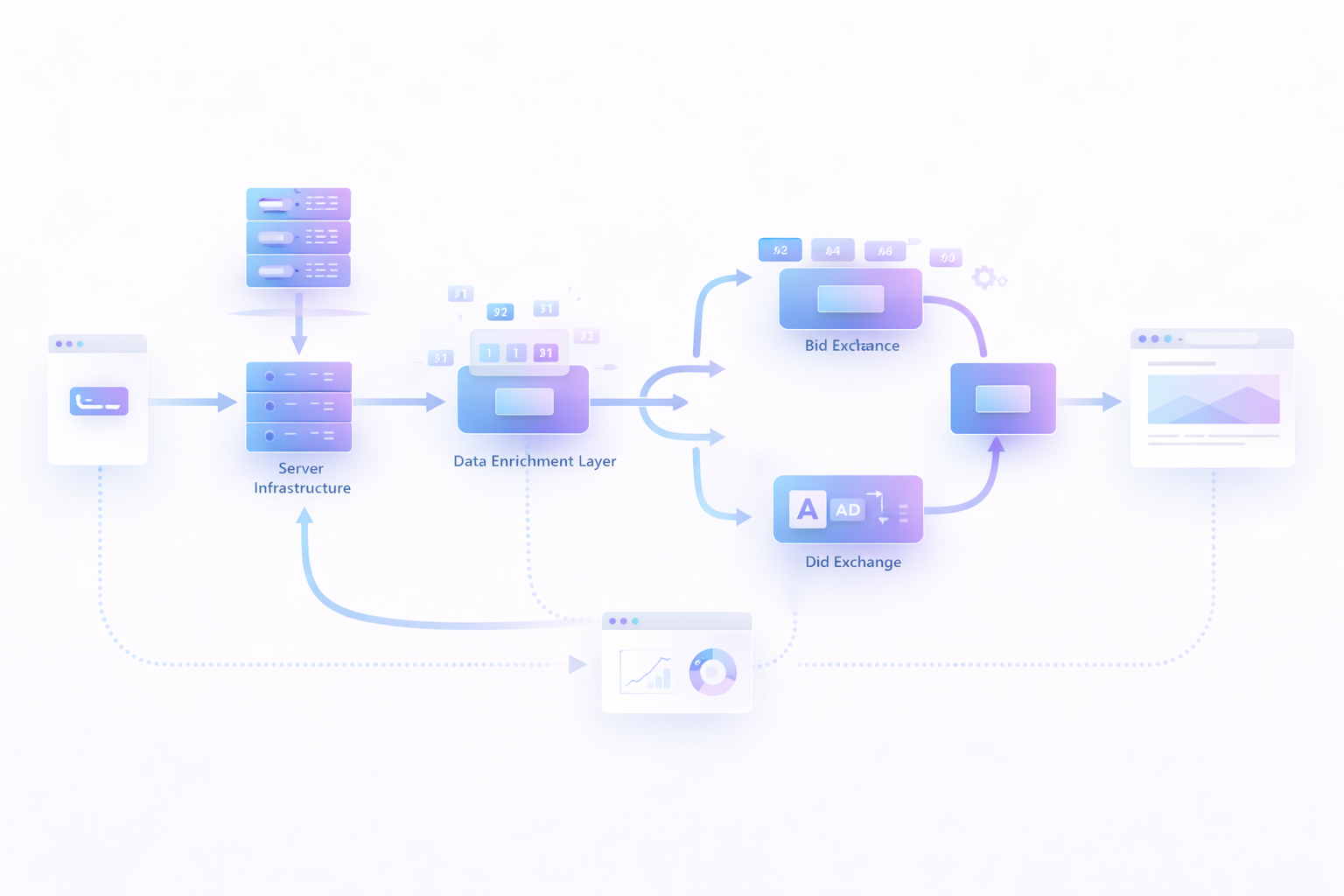
Understanding the technical flow of a monetized link is essential for diagnosing performance issues and optimizing yield. The process occurs in milliseconds, but each micro-step represents a decision point that affects both revenue and user experience.
The Technical Architecture
When a user clicks a monetized link, the following sequence executes:
1. The Click Event
The user clicks a link structured as yourdomain.com/go/resource or monetizationplatform.com/abc123. This request hits the platform's server infrastructure rather than going directly to the destination.
2. Request Enrichment
The receiving server immediately captures available data about the user:
- IP address and geolocation (country, region, city)
- Device type and operating system
- Browser and language settings
- Referrer URL (where the click originated)
- Timestamp and session identifiers
This data packet forms the basis for all subsequent decisions.
3. Routing Logic Evaluation
The platform evaluates the click against pre-configured rules:
- Is this user in a monetizable geography?
- Does this traffic source have a history of high or low engagement?
- Is the destination URL compatible with monetization?
- What time of day is it (affecting advertiser demand)?
Based on these factors, the system decides whether to attempt monetization or bypass directly to the destination.
4. The Ad Call (If Monetization Is Attempted)
If the routing logic determines monetization is appropriate, the platform initiates an ad request to connected demand sources. This typically involves:
- Sending user data to supply-side platforms (SSPs) or ad exchanges
- Initiating a real-time bidding (RTB) auction
- Receiving bids from advertisers competing for the impression
5. The Bid Evaluation
The platform evaluates incoming bids against:
- Minimum CPM floors set by the publisher
- Ad quality and format requirements
- Category blocklists (e.g., no gambling ads, no political content)
If an acceptable bid is received, the platform serves the ad. If no bid meets the minimum threshold, the system typically bypasses the ad and redirects directly to preserve user experience.
6. Ad Rendering and User Interaction
The user sees an ad, typically an interstitial, an overlay, or a native unit. They may need to:
- View for a minimum duration
- Click a close button
- Interact with the ad content
7. Final Redirection
After the ad interaction completes, the platform executes a 302 (temporary) redirect to the original destination URL. Critically, this redirect must preserve any tracking parameters, affiliate IDs, or UTM tags present in the original link.
8. Analytics Ingestion
Throughout this process, the platform records:
- Click timestamp and source
- Monetization attempt (success/failure)
- Winning bid price and advertiser
- Redirect completion
- Conversion data (if integrated)
The Role of Latency
A critical consideration in this flow is latency. Every millisecond between click and destination increases the risk of user abandonment. Professional monetization platforms invest heavily in edge networking and global server distribution to minimize this delay. A poorly optimized platform can add 500-1000ms to page load time, significantly degrading user experience and potentially harming your relationship with your audience.
The Economics of CPM and Traffic Quality
Link monetization economics operate on a simple premise: advertisers pay for access to user attention. However, not all attention is valued equally. Understanding the factors that influence your effective CPM (eCPM) is essential for forecasting revenue and optimizing performance.
What Determines Your eCPM?
Your effective cost per mille (eCPM) represents the revenue you earn per thousand monetized clicks. This figure varies dramatically based on several factors:
1. Geographic Location (Tiering)
Traffic from different regions commands vastly different prices:
- Tier 1: United States, United Kingdom, Canada, Australia, Western Europe typically generate the highest CPMs, often $10-$50+
- Tier 2: Eastern Europe, parts of Asia, Latin America usually generate moderate CPMs, typically $2-$10
- Tier 3: Developing markets tend to produce lowest CPMs, often below $1
This disparity reflects advertiser willingness to pay for audiences with higher disposable income and purchasing power.

2. Device Type
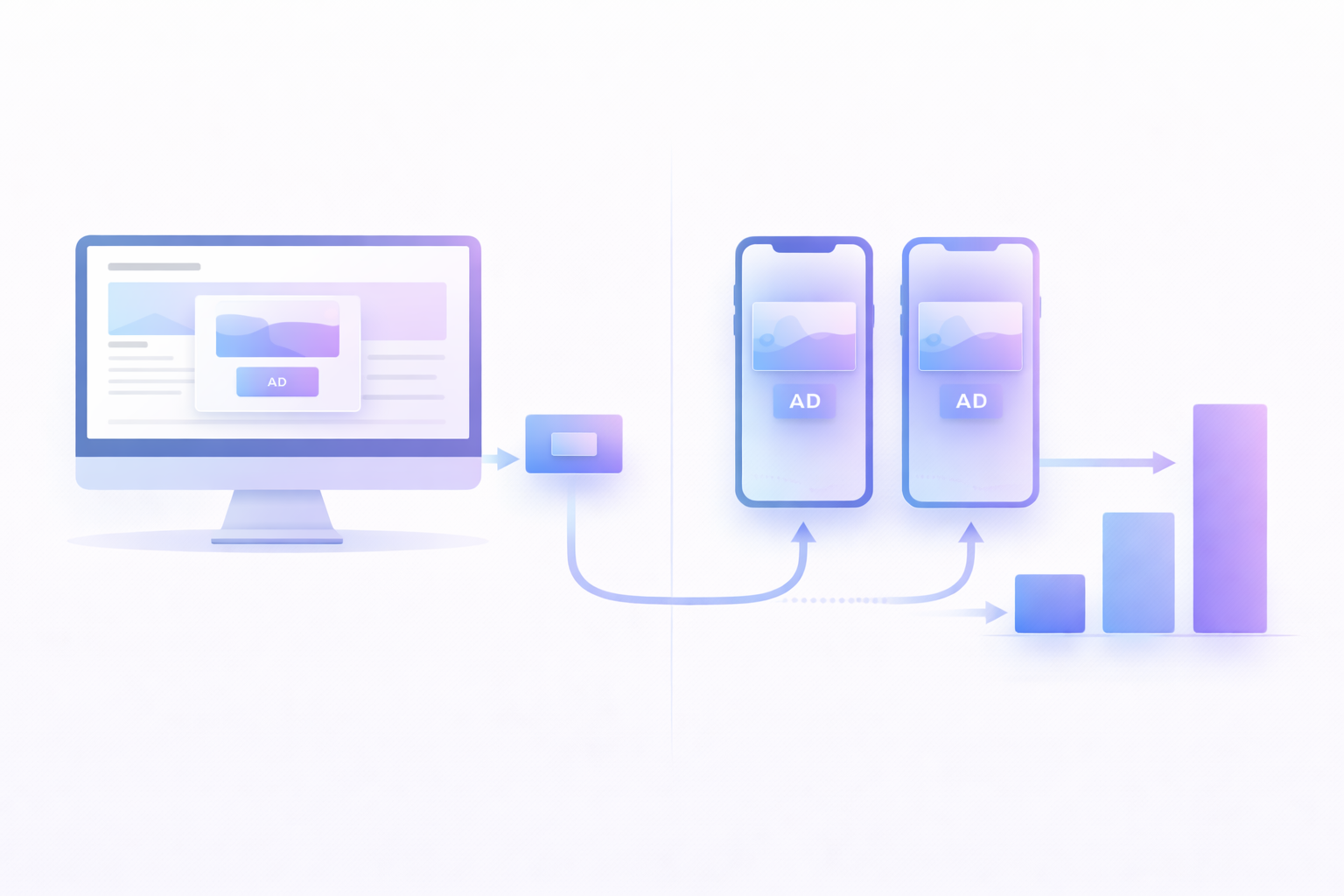
Mobile traffic often commands different pricing than desktop:
- Mobile interstitials benefit from full-screen real estate and higher engagement rates
- Desktop traffic may perform better with display overlays or native formats
- iOS traffic historically commands premium pricing compared to Android in some verticals
3. Traffic Source and Context
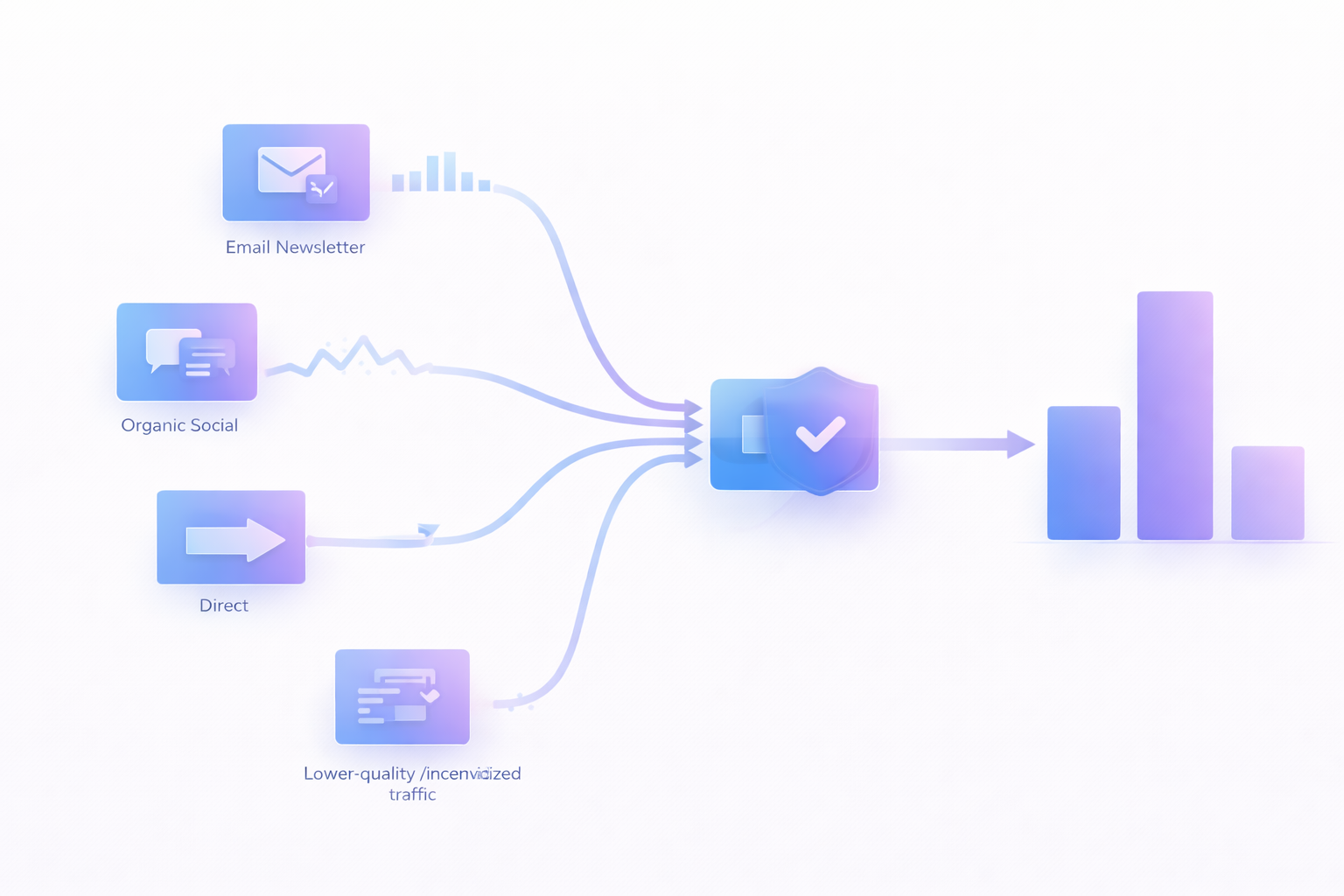
Where your traffic originates significantly impacts value:
- Email newsletter clicks often perform well due to high engagement and trust.
- Organic social traffic varies by platform and content type.
- Direct traffic typically indicates higher intent.
- Incentivized or low-quality traffic sources may be devalued or filtered entirely.
4. Time and Seasonality
Ad demand fluctuates predictably:
- Weekdays during business hours typically see higher CPMs
- Q4 (holiday season) drives premium pricing across most verticals
- Industry-specific seasonality affects certain advertiser categories
5. User Intent Signals
Perhaps most critically, the destination URL itself signals user intent. A click heading to a product review page implies commercial intent. A click heading to a recipe implies content consumption intent. Advertisers bid more aggressively on clicks with implied purchase intent.
The Bypass Rate Factor
A concept often misunderstood by new operators is the bypass rate. This is the percentage of clicks that your platform determines should NOT be monetized, typically because available bids fall below your configured floor price.
A high bypass rate is not necessarily failure. It indicates that your traffic quality or user characteristics are not attracting sufficient advertiser demand at your price floor. Conversely, a 100% monetization rate often signals that your floors are too low, and you are leaving money on the table by accepting below-market bids.
Professional operators view bypass rate as a diagnostic metric. If bypass rates exceed 50%, you have three options:
- Lower your floor prices to increase monetization (accepting lower CPMs)
- Improve traffic quality to attract better bids
- Accept the bypass as a user experience win (users go direct, no friction)
Ad Formats Used in Monetized Links
The format of the ad displayed during the redirect interval significantly impacts both revenue and user experience. Each format presents distinct tradeoffs that professional operators must evaluate against their audience and goals.
Full-Page Interstitials
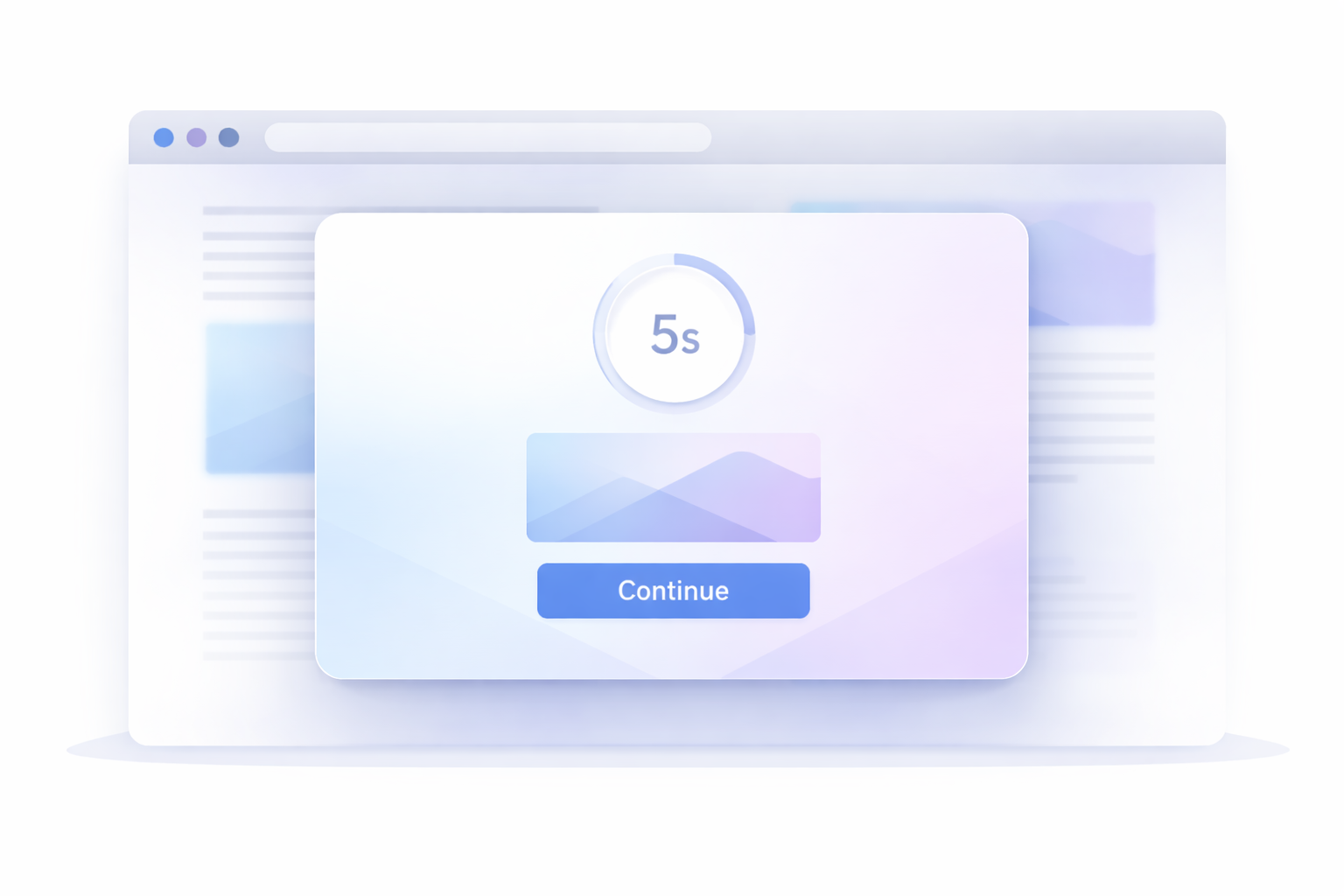
Description: A full-screen advertisement that occupies the entire viewport, typically displayed between the click and the destination. Users must view or interact before proceeding.
Yield Potential: High
Friction Level: High
Best For: Mobile web traffic, entertainment content, high-volume low-loyalty audiences
Tradeoffs:
- Pros: Maximum screen real estate, high engagement rates, premium CPMs.
- Cons: Significant user friction, potential for accidental clicks, high bounce potential for impatient users.
Optimization Insight: Full-page interstitials perform best when users are already in a "consumption mode" and expect brief interruptions. They perform poorly when users are task-oriented (e.g., trying to complete a purchase or find specific information).
Display Overlays and Layer Ads

Description: Ads that appear as overlays on the current page, typically sliding in from the edge or appearing as modal windows, while the destination loads in the background.
Yield Potential: Moderate
Friction Level: Moderate
Best For: Desktop traffic, content sites, users with higher bounce sensitivity
Tradeoffs:
- Pros: Less disruptive than full interstitials, allows background loading, maintains some context.
- Cons: Less screen real estate, easier to ignore, lower CPMs than interstitials.
Native In-Content Units

Description: Ads designed to match the look and feel of the surrounding content, appearing seamlessly within the user's reading experience.
Yield Potential: Low to moderate
Friction Level: Low
Best For: High-authority sites, returning audiences, premium publishers
Tradeoffs:
- Pros: Minimal user friction, brand-safe, preserves user trust.
- Cons: Lower CPMs, requires more sophisticated integration, easily overlooked.
Content Locking and Incentivized Formats

Description: Users must complete an action (watch a video, complete a survey, install an app) before accessing the destination content.
Yield Potential: Variable (can be high)
Friction Level: Very High
Best For: Gated content, downloadable resources, specific high-value niches
Tradeoffs:
- Pros: High engagement from users willing to complete actions, predictable revenue
- Cons: Extreme friction, significant drop-off, only suitable for specific use cases
Warning: Content locking should be used sparingly and transparently. Users who feel trapped or misled will not return.
Direct Redirect (No Ad)
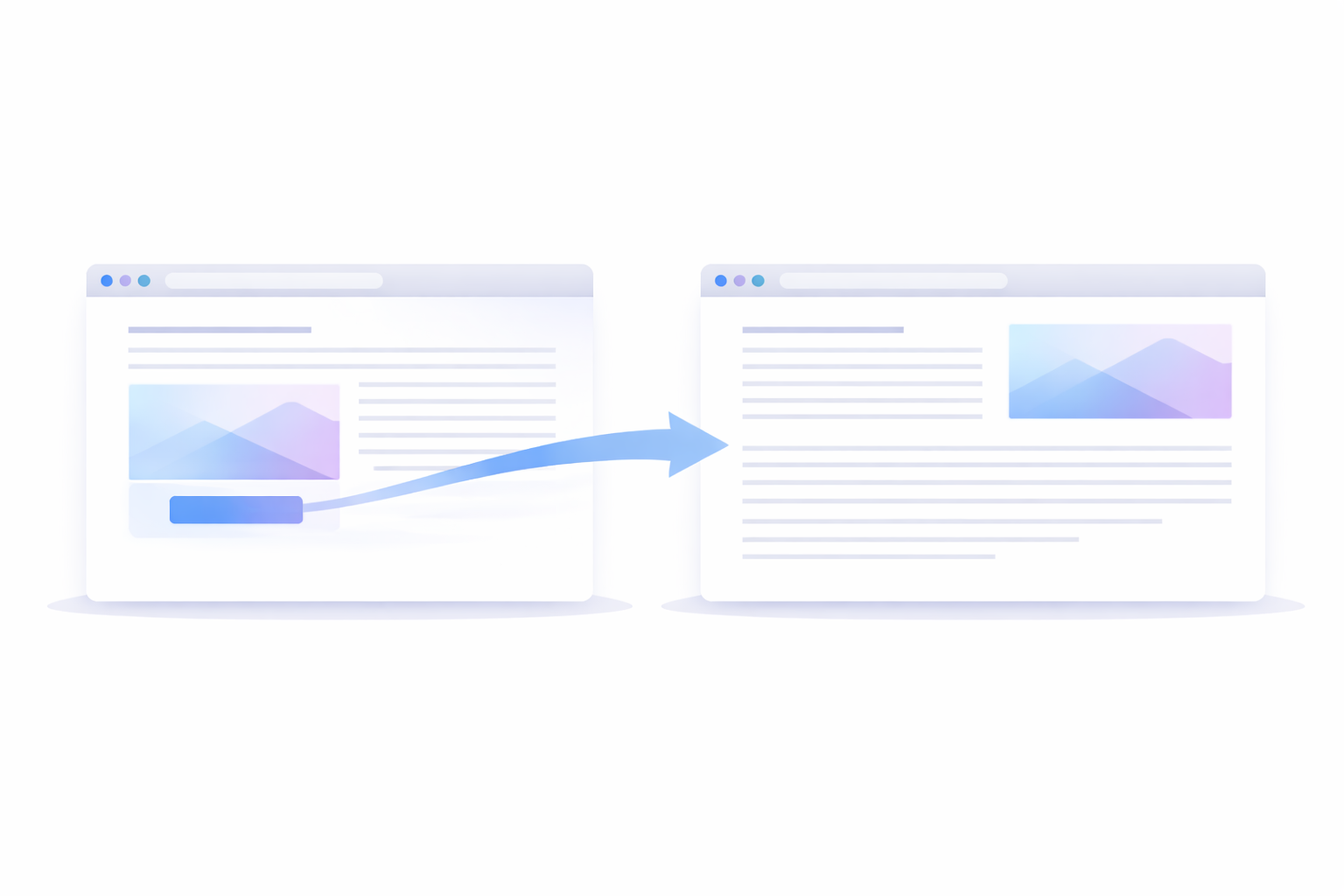
Description: The user bypasses any monetization and is sent directly to the destination.
Yield Potential: Zero
Friction Level: None
Best For: High-value affiliate destinations, returning users, premium content
Tradeoffs:
- Pros: Preserves user experience, maintains trust, maximizes conversion potential
- Cons: Leaves money on the table from that click
Format Selection Framework
Choosing the right format requires answering three questions:
- What is the user's intent? High commercial intent favors minimal friction.
- What is the user's relationship to you? Returning audiences deserve less intrusive experiences.
- What is the destination's value? High-value conversions justify bypassing monetization.
Traffic Optimization and Smart Routing
The distinction between amateur and professional link monetization lies in routing intelligence. Smart routing evaluates each click as an individual opportunity and makes context-aware decisions about how to handle that specific user.
Source-Based Routing
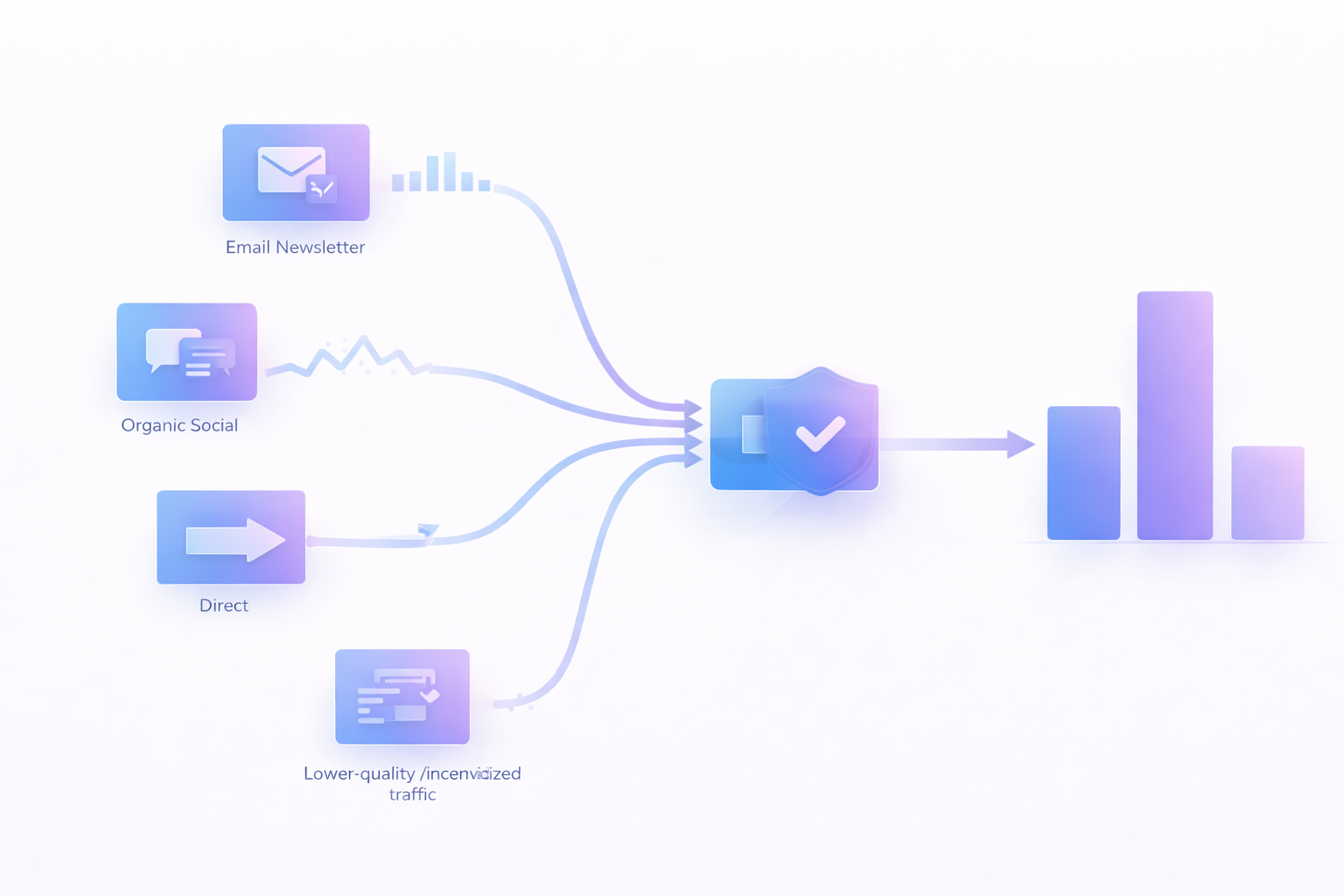
Different traffic sources exhibit different behaviors and values. Smart routing allows you to treat them differently:
- Email traffic typically shows high engagement and trust. You might monetize selectively with low-friction formats.
- Social traffic often has lower intent and higher bounce rates. More aggressive monetization may be appropriate.
- Direct traffic indicates users who typed your URL or have it bookmarked, which suggests they may be loyal visitors. Treat this traffic carefully.
- Referral traffic from specific domains may have known quality profiles based on historical performance.
Geo-Based Routing
Geographic routing recognizes that users in different locations represent different economic value:
- Tier 1 countries attract premium bids. Monetize with higher floors.
- Tier 2 countries may have moderate demand. Adjust expectations accordingly.
- Tier 3 countries may bypass entirely or use different formats.
Device and Platform Routing
User experience expectations vary by device:
- Mobile users tolerate interstitials better but have less patience for slow loading.
- Desktop users expect more control and may resent full-screen interruptions.
- iOS vs. Android may have different technical capabilities and privacy constraints.
Time-Based Routing
Ad demand fluctuates throughout the day and week. Smart routing can:
- Increase monetization during peak demand hours.
- Bypass during low-demand periods to preserve user experience.
- Adjust floor prices based on historical performance by time segment.
A/B Testing Links
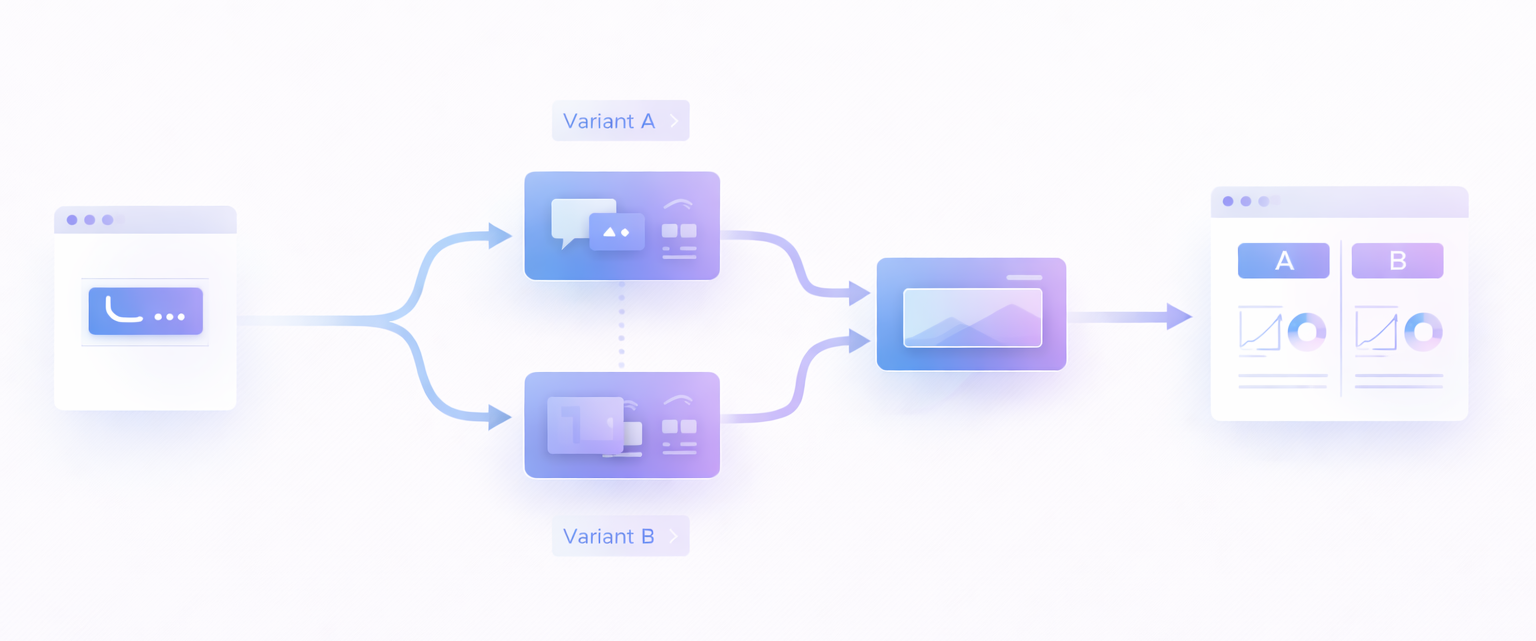
Professional operators treat link variants like landing page variants. By creating multiple versions of the same destination URL with different monetization rules, you can:
- Test format performance side by side.
- Measure conversion impact on destination.
- Optimize for net value, not gross revenue.
The Conversion-Aware Routing Ideal
The ultimate expression of smart routing is conversion-aware optimization. This requires integrating your monetization platform with your analytics and affiliate systems to understand what happens after the redirect.
When you know the destination value, you can make informed tradeoffs:
- If a click typically generates $2.00 in affiliate commission, showing a $0.05 CPM ad that reduces conversion by 10% is destructive.
- If a click usually creates about $0.10 in value, showing a low friction ad at a $0.05 CPM can add incremental revenue rather than reduce performance.
Analytics That Actually Matter
Link monetization generates substantial data, but not all metrics deserve equal attention. Professional operators focus on a core set of actionable indicators.
Essential Metrics
Click Volume
Total clicks passing through your monetized links. The foundation of all calculations.
Monetization Rate
The percentage of clicks that resulted in a monetized impression. A low rate may indicate traffic quality issues or overly aggressive floor prices.
eCPM (Effective Cost Per Mille)
Revenue per thousand monetized impressions. The headline metric for comparing performance across sources and formats.
RPM (Revenue Per Mille Clicks)
Revenue per thousand total clicks, including bypassed clicks. This metric accounts for both monetization rate and eCPM, providing a true picture of overall yield.
Bypass Rate
The percentage of clicks that did not receive an acceptable bid. Diagnostic metric for demand quality.
Friction Rate
The percentage of users who abandon during or immediately after the ad experience. Critical for understanding user experience impact.
Conversion Rate (Post-Click)
The percentage of users who complete a desired action on the destination. Requires integration with destination analytics.
Attribution Integrity
A critical analytics consideration is attribution preservation. When you insert a redirect between click and destination, you risk breaking tracking parameters that affiliate networks and analytics platforms rely on.
Professional monetization platforms support:
- Parameter forwarding: Automatically passing all URL parameters to the destination.
- ClickID preservation: Maintaining affiliate network click identifiers.
- Postback URLs: Sending conversion data back to the monetization platform for closed-loop reporting.
- Server-side tracking: Reducing reliance on client-side cookies.
Unified Reporting
The goal is a unified view that connects:
- Traffic source characteristics.
- Monetization performance.
- Destination conversion data.
- User experience metrics.
This requires either a platform that provides integrated reporting or a data pipeline that joins information from multiple sources.
Common Mistakes That Reduce Revenue
Even experienced operators make predictable errors that undermine link monetization performance. Recognizing these pitfalls is essential for sustained optimization.
Mistake 1: Blanket Monetization
Applying the same monetization rules to all traffic ignores the reality that different users have different values and expectations. A user from a high-value source heading to a high-converting destination should be treated differently than anonymous traffic heading to low-value content.
Solution: Implement source-based and destination-based routing rules. Segment your traffic and apply appropriate strategies to each segment.
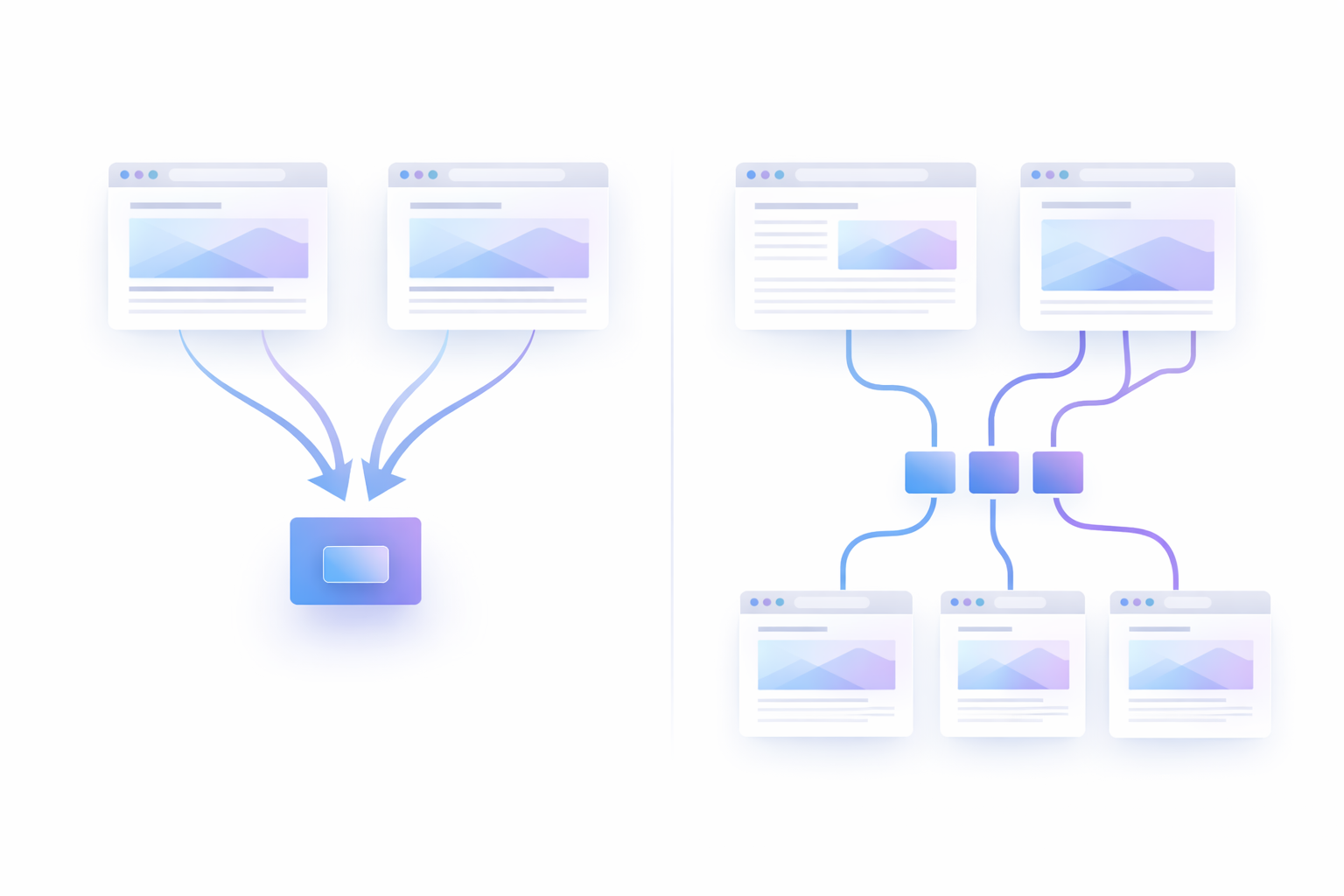
Mistake 2: Ignoring Attribution Breakage
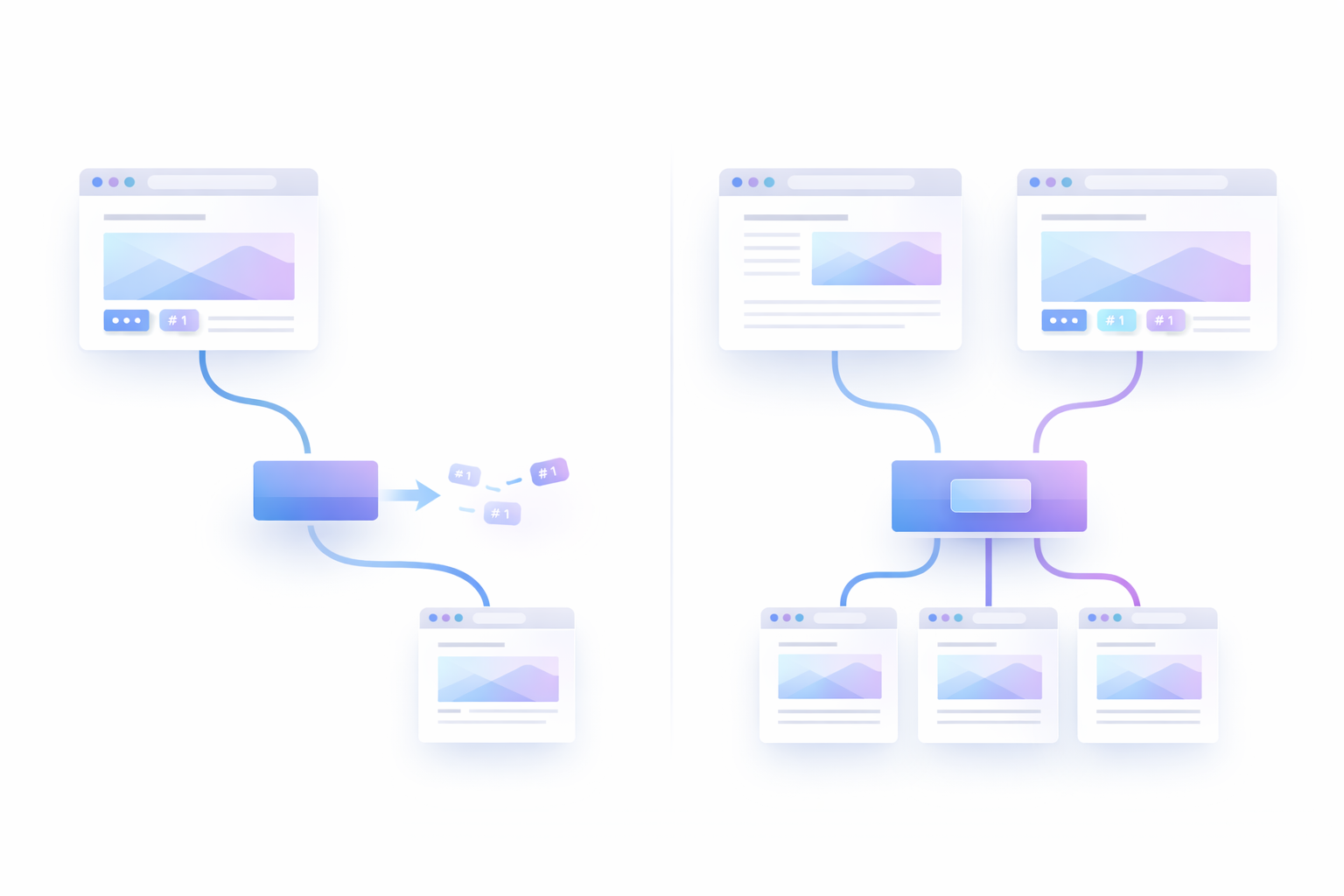
Many operators implement link monetization only to discover that their affiliate commissions have disappeared. When the redirect strips tracking parameters, the destination platform cannot attribute the sale correctly.
Solution: Verify that your monetization platform supports parameter forwarding. Test links regularly by clicking through and confirming that all tracking identifiers appear in the destination URL.
Mistake 3: Setting Floors Too Low
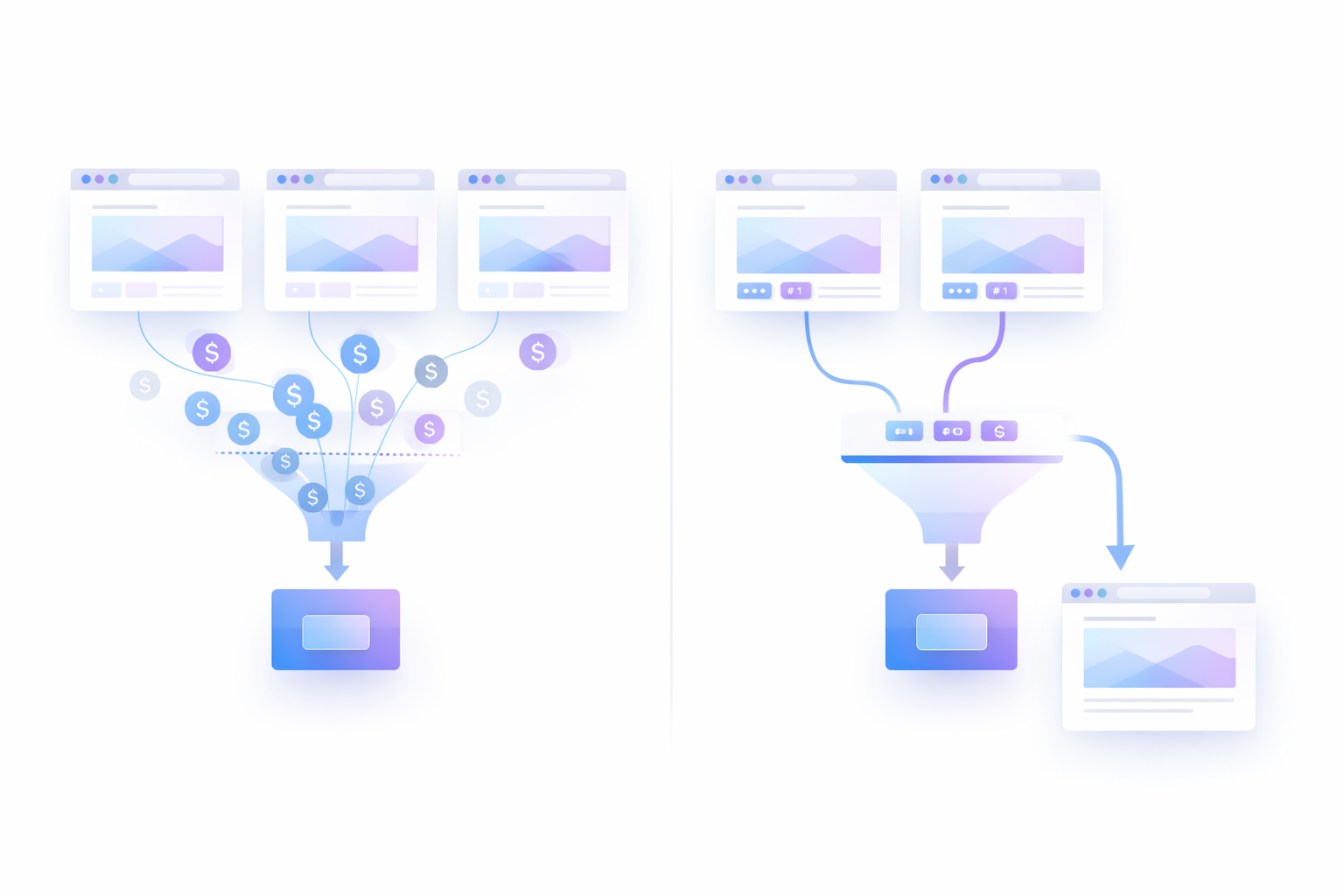
In an effort to maximize monetization rate, some operators accept very low CPM bids. This devalues their inventory and may expose users to low-quality advertising that damages trust.
Solution: Establish minimum floor prices based on your traffic quality and audience value. Accept that some clicks will bypass. A bypassed click preserves user experience and leaves the door open for future engagement.
Mistake 4: Neglecting Mobile Experience
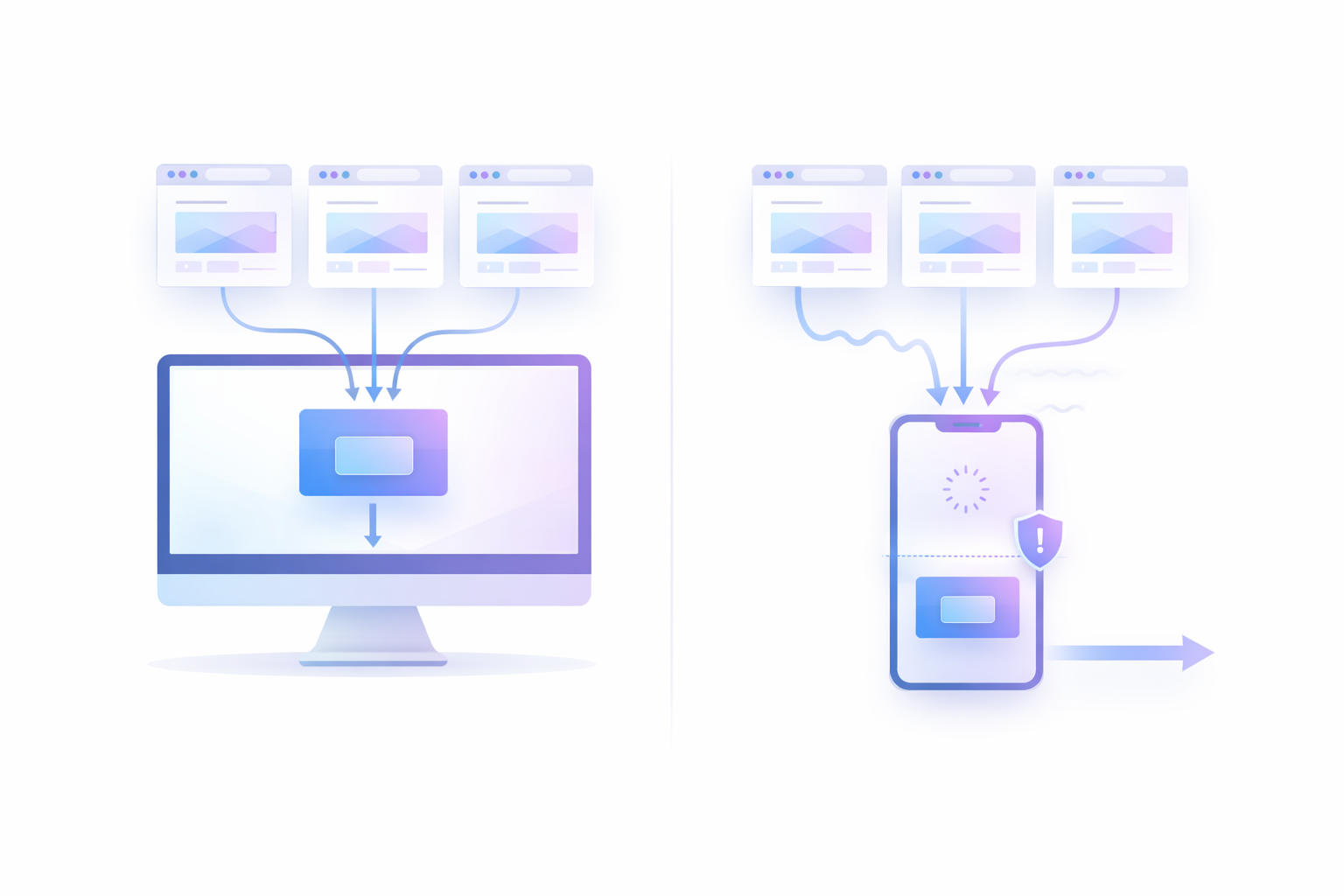
Many monetization platforms default to desktop-oriented formats that perform poorly on mobile devices. Users on mobile connections may experience significant latency, leading to high abandonment rates.
Solution: Test your monetized links on actual mobile devices with various connection speeds. Optimize formats and timeouts for mobile users.
Mistake 5: Failing to Monitor Ad Quality
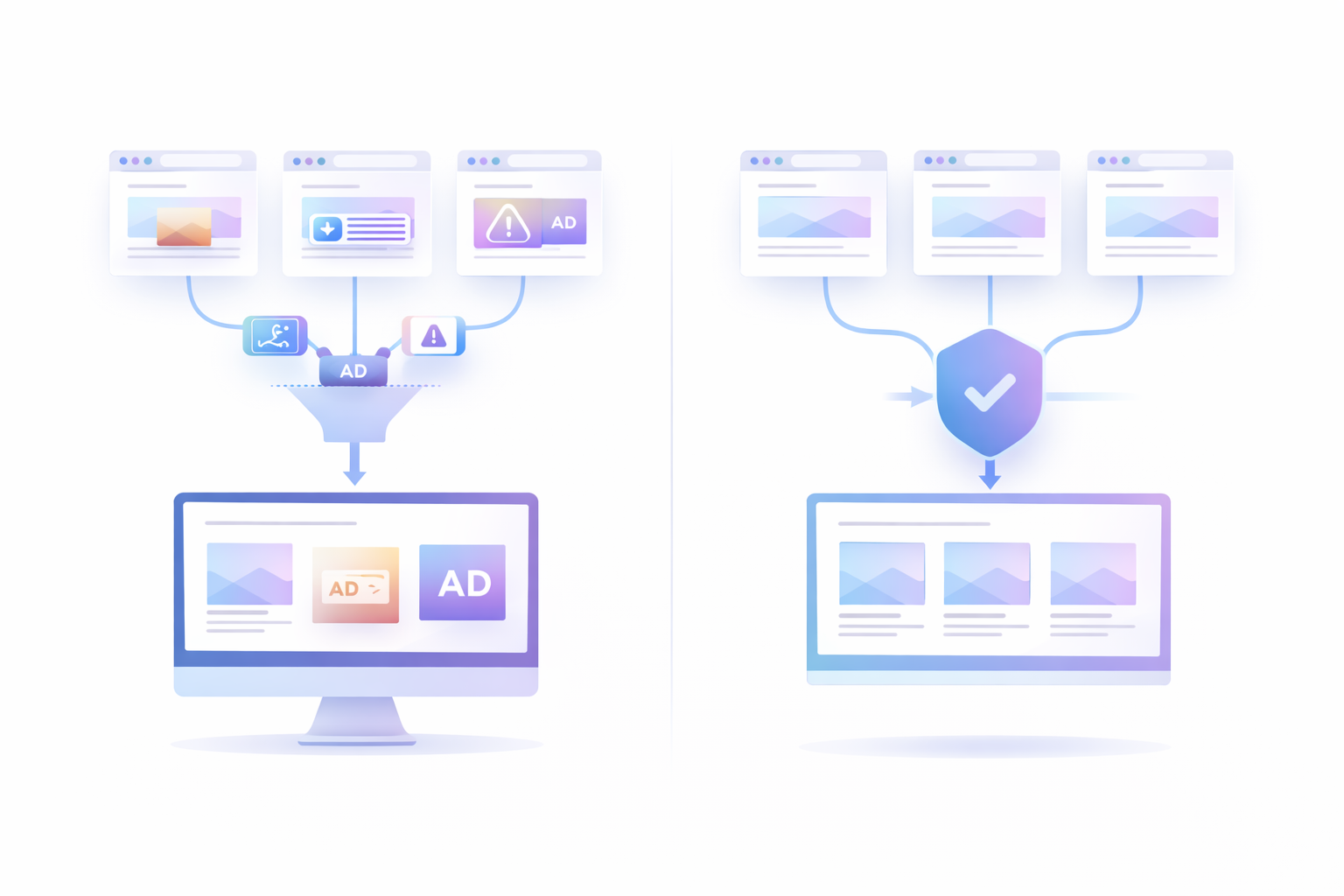
Low quality ads, particularly those with misleading claims, auto play video, or aggressive download prompts, reflect poorly on your brand. Users associate the ad experience with you rather than with the anonymous advertiser.
Solution: Implement ad quality controls and blocklists. Regularly audit the ads appearing on your inventory and block categories or specific advertisers that violate your standards.
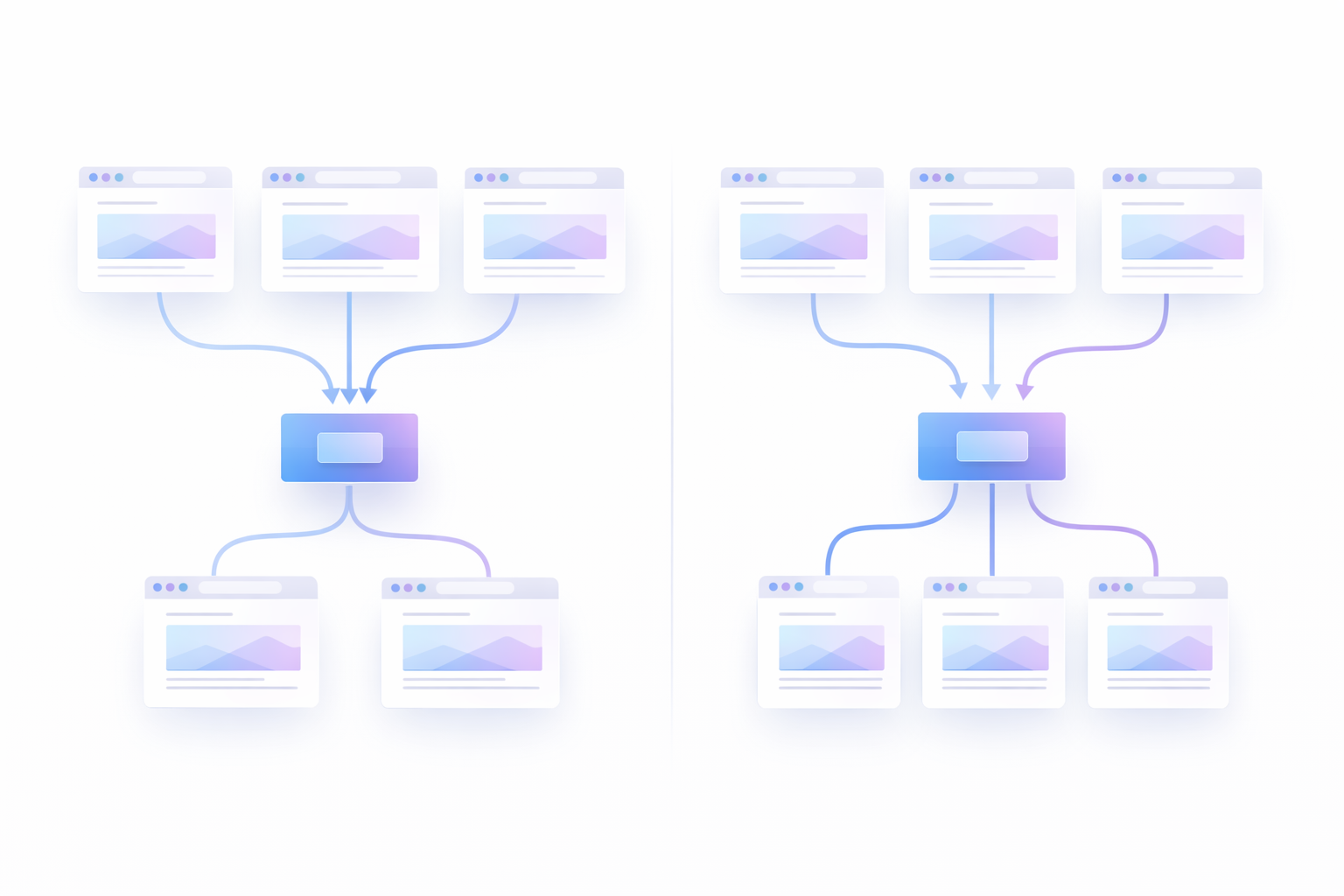
Mistake 6: Treating All Links Equally
A link to a high-value affiliate offer should be optimized differently than a link to a free resource. The potential revenue from the destination should inform the monetization strategy.
Solution: Categorize your links by destination value. Apply more conservative monetization to high-value destinations and more aggressive strategies to low-value or unbranded destinations.
Mistake 7: Ignoring Latency Impact
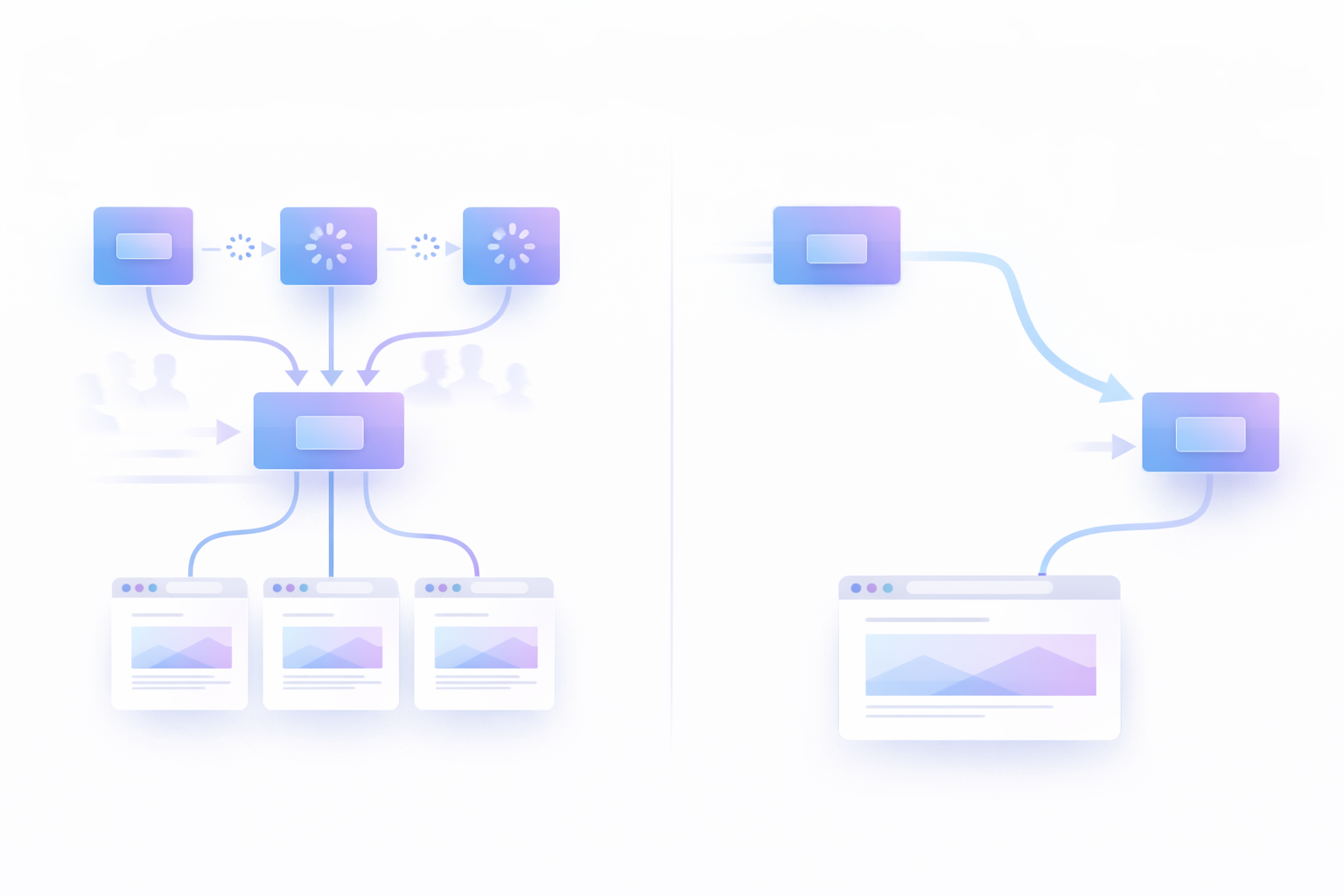
Every millisecond added to the redirect flow increases abandonment risk. Bloated ad code, slow server responses, and inefficient redirect chains cost money.
Solution: Monitor redirect latency. If your monetization platform adds significant delay, consider whether the revenue justifies the user experience impact.
User Experience and Trust Considerations
The most successful link monetization strategies are invisible when done well and transparent when done honestly. User experience is not a constraint on monetization but a prerequisite for sustainable revenue.
The Trust Equation
Users click your links because they trust you to deliver value. Every monetized click represents a withdrawal from that trust account. The equation is simple:
- Positive experiences: User finds destination, minimal friction → trust maintained or increased.
- Negative experiences: User feels tricked, delayed, or bombarded → trust decreased.
Sustainable monetization requires that withdrawals do not exceed deposits.
Transparency vs. Surprise
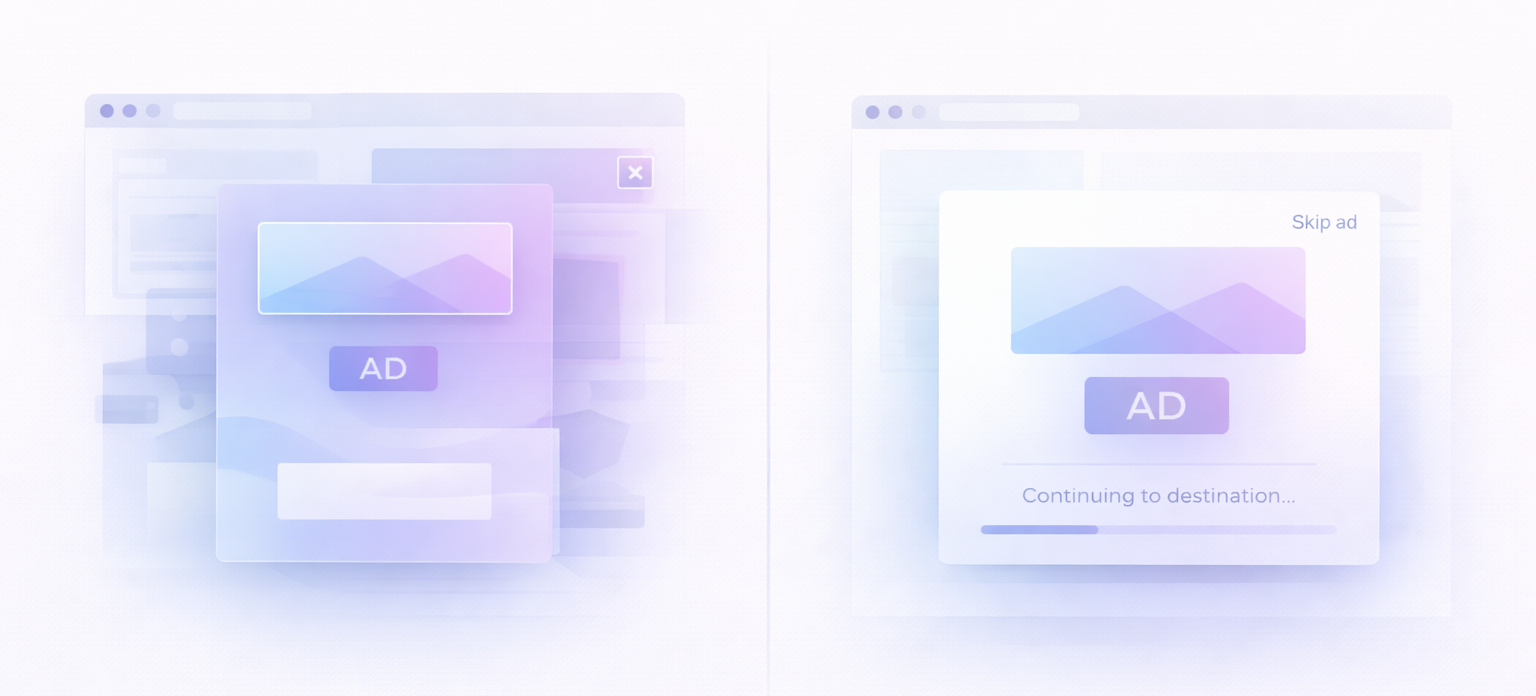
Users generally accept monetization when they understand what is happening. They resent feeling tricked or manipulated. Consider these scenarios:
Low Trust: User clicks expecting to reach an article immediately. Instead, they encounter a full-screen ad with a misleading close button that triggers another ad. They feel deceived.
Higher Trust: User clicks and sees a clear, branded interstitial with an obvious close option and a message indicating they will be redirected momentarily. They may not love the experience, but they understand it.
The Bounce Rate Connection
Monetization-induced friction directly impacts bounce rates. If users abandon during the ad experience, you lose not only the monetization revenue but also any potential value from the destination. You also lose the opportunity for future visits.
Monitor post-click behavior:
- Are users reaching the destination?
- How long do they stay?
- Do they return?
If monetization correlates with declining engagement metrics, your strategy is destroying long-term value.
Ethical Considerations
Beyond tactical considerations, link monetization raises ethical questions about user manipulation. Consider:
- Are you monetizing links that users reasonably expect to be direct?
- Are you targeting vulnerable audiences with aggressive formats?
- Are you transparent about your monetization practices?
The most successful operators in this space treat their users with respect and view monetization as a fair exchange of value for access.
The Future of Link Monetization in 2026
As we move through 2026, several trends are reshaping the link monetization landscape. Understanding these shifts helps operators prepare for evolving market conditions.
Privacy-Centric Adaptation
The ongoing depreciation of third-party cookies and increasing privacy regulation (GDPR, CCPA, and emerging frameworks) fundamentally changes how user data flows through monetization pipes.
Implications:
- Reduced reliance on cross-site tracking for targeting.
- Increased value of first-party data and contextual signals.
- Greater emphasis on consent management and transparency.
- Shift toward privacy-preserving technologies (Google's Privacy Sandbox, server-side tracking).
Link monetization platforms are adapting by focusing on contextual signals rather than user-level profiles, and by providing tools for managing consent preferences.
AI-Driven Routing Optimization
Machine learning is increasingly applied to routing decisions. Rather than manually configuring rules for every source and segment, operators can leverage AI to:
- Predict optimal monetization strategies for each click.
- Dynamically adjust floor prices based on real-time demand.
- Identify patterns in user behavior that correlate with conversion.
- Automatically block low-quality ad creative.
The role of the operator shifts from rule-writer to AI-trainer and performance auditor.
Diversification of Demand Sources
Reliance on a single ad exchange or demand partner creates concentration risk and limits yield. Modern platforms are integrating with multiple demand sources:
- Multiple SSPs and ad exchanges.
Note: A Supply Side Platform is a technology platform that enables publishers to manage, sell, and optimize their advertising inventory through real time programmatic auctions across multiple demand sources.
- Direct advertiser integrations.
- Private marketplace deals.
- Alternative demand (affiliate offers, lead generation).
This diversification ensures that if one demand source underperforms, others can fill the gap.
Server-Side Tracking and Attribution
As browsers restrict client-side tracking, server-side integration becomes essential. Modern monetization platforms offer:
- Server-side conversion tracking.
- Postback URL support.
- API-based reporting integration.
- Reduced reliance on cookies for attribution.
This shift improves data accuracy while adapting to privacy constraints.
Format Innovation
Ad formats continue to evolve toward less intrusive, more engaging experiences:
- Rewarded interactions where users choose to engage.
- Native placements that blend with content.
- Interactive formats that provide value beyond advertising.
- Video units optimized for short attention spans.
The trend is moving toward quality over quantity, with fewer ads, better experiences, and higher CPMs.
Conclusion and Actionable Framework
Link monetization, when approached as a professional optimization discipline, offers publishers and affiliates a meaningful revenue stream without compromising user trust. The key is moving beyond the "set it and forget it" mentality and treating your outbound links as dynamic assets requiring continuous optimization.
The Professional's Framework
Step 1: Audit Your Current State
- What traffic sources drive your clicks?
- What is the destination value of your links?
- What is your current monetization approach?
- What user experience are you delivering?
Step 2: Segment and Strategize
- Categorize traffic by source, geography, and device
- Categorize destinations by value
- Develop appropriate strategies for each segment
Step 3: Configure Routing Intelligence
- Implement source-based and geo-based rules
- Set appropriate floor prices
- Choose formats aligned with user expectations
Step 4: Connect Attribution
- Ensure parameter forwarding is working
- Integrate conversion data
- Measure net value, not gross revenue
Step 5: Monitor and Optimize
- Track key metrics: RPM, eCPM, friction rate, conversion rate
- A/B test formats and rules
- Audit ad quality regularly
- Adjust based on performance data
The Long View
The operators who succeed in link monetization over the long term are those who recognize that every click represents a human being who chose to engage with their content. Monetization is not extraction, it is a fair exchange of value. When users receive value, whether through access to destination content or through relevant advertising, they continue clicking.
When they feel exploited, they stop.
Link monetization, practiced professionally, creates a sustainable revenue layer that respects the user, preserves attribution, and optimizes for total value. It transforms the humble hyperlink from a passive conduit into an intelligent, revenue-generating asset class.